/ Conversation
Another Australian Music Venue Had Its Last Curtain Call
When Mary’s Underground in Sydney closed, it was a familiar tune for a scene hit by high costs and low attendance. Critics worry about a shrinking space for new talent.
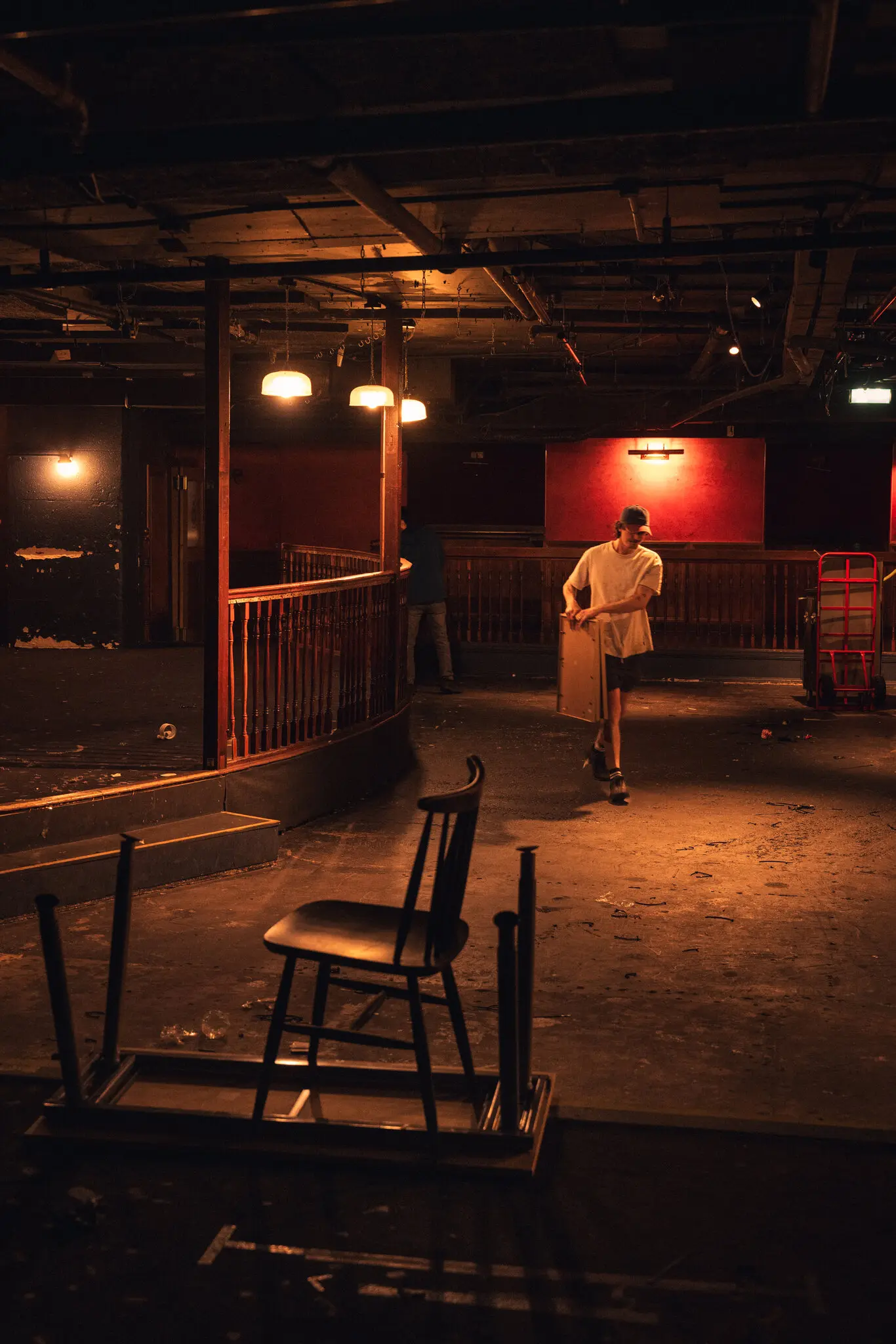
Jake Smyth and Kenny Graham stood in the green room of Mary’s Underground, a live music venue in Sydney, for the final time. The walls were covered in the names of artists who have performed at the venue over the past seven years.
“They want to leave their mark somewhere that they’ve played,” Mr. Smyth said of the 3,000 musicians who have passed through. The venue has hosted more than 1,000 shows since it opened in 2019, including the New Zealand-born pop star Lorde and the Australian punk rock band The Living End.
But faced with declining bar sales and increasing costs, the friends, who own other venues, closed Mary’s Underground on June 30.
“It’s definitely going to leave a hole in Sydney,” Mr. Smyth said, adding, “This is a tough day.”
It is a familiar story across the country, which was once known for producing generations of rock ’n’ roll royalty, from Midnight Oil to INXS. But with the steady closure of pubs, bars and small venues, the future of Australia’s once-mighty live music industry is now on shaky ground.
MoshPit Bar, a rock ’n’ roll dive bar in Sydney, announced this past week that it would also close, saying that “ever-increasing operating costs, combined with declining revenues, have made it financially impossible for us to continue.”
After the coronavirus pandemic, more than 1,300 live music venues closed across Australia, according to a 2024 report from the music rights body, APRA AMCOS. While more recent figures show the number of live music venues nearing prepandemic levels, it represents six years of stalled growth for the sector, said Nicholas Pickard, executive director of public affairs for the
group.
He added that the figures did not represent the number of gigs occurring or people attending, both of which are declining. While 28 percent of Australians listened to live music at a pub or club in 2019, that number dropped to 25 percent in 2024, government data shows.
Part of that is because of a change in consumers’ spending habits — patrons are drinking less, splurging on concerts by big- name stars (like Taylor Swift or Oasis) instead, or buying tickets at the last minute, which creates uncertainty for venues. And everything has become more expensive, from rent and insurance to bands’ touring costs.
“That’s really the big question for the nation: How important is it to hear and see our own music?” Mr. Pickard said.